Survivors recount how terrorists overran Base, Killed General Braimah
Fresh details have emerged on the killing of the Commander of the 29 Task Force Brigade, Brigadier General Oseni Braimah, during a bloody midnight assault on a military base in Benisheikh, Borno State.
Surviving soldiers described the clash as one of the most intense in recent months. While the Nigerian Army maintains that the attack was successfully repelled and has dismissed claims of heavy casualties or equipment failure, accounts from troops and local residents suggest a highly coordinated insurgent offensive that momentarily overwhelmed the base.
A midnight assault
The attack began around 12:30 am last Thursday. Suspected fighters from Boko Haram and the Islamic State West Africa Province (ISWAP) launched simultaneous assaults on multiple military positions in Benisheikh—a strategic town in the Kaga Local Government Area along the Maiduguri-Damaturu highway.
Eyewitnesses reported that terrorists advanced in their numbers, hitting three military formations before pushing into civilian areas. One survivor, speaking on the condition of anonymity, described the scale of the coordination as “unprecedented.”
”We are used to coordinated attacks, but this was different,” he said. “They came from every direction at once. It felt like they had studied our positions for weeks.”
As rumours of fallen locations and the death of the Brigade Commander spread, the morale of troops reportedly faltered. “When the shout went up that the General was dead, that was when fear fully set in,” the soldier added. The ensuing chaos led to a breakdown in coordination, forcing some troops to retreat into the town for cover.
The death of General Braimah
In the wake of the tragedy, conflicting reports surfaced regarding the general’s death, with some of them alleging that he was killed because his Mine-Resistant Ambush Protected (MRAP) vehicle failed to start. However, insiders and those close to the late general have pushed back against this narrative.
”The insurgents actually set the MRAP on fire during the attack,” a high-placed source within the brigade clarified. “Saying he died because the vehicle wouldn’t start is inaccurate and misleading. The situation was far more complex.”
A former driver for the general, known as “Blacky,” defended Braimah’s commitment to equipment readiness. “General Braimah didn’t play with repairs. He was exemplary with maintenance,” he noted, describing the general as a listener who looked out for the welfare of his men.
Conversely, other sources within the formation suggested that systemic lapses in the unit’s overall maintenance culture may have played a role, noting previous complaints regarding operational vehicles.
Civilian devastation
The intensity of the 90-minute battle triggered a mass exodus of civilians into the night. A local resident, Mustapha Abu, described the scene as “terrifying,” with explosions and gunfire echoing through the town.
Beyond the military camp, the terrorists looted and burned civilian property, including shops and vehicles parked near the Benisheikh secretariat. Travelers caught by the routine evening closure of the highway were forced to abandon their cars and flee into the bush.
Army response: “A distorted narrative”
Headquarters of Operation Hadin Kai has moved to dismiss reports of high casualty counts. In a statement, Media Information Officer Lt.-Col. Sani Uba, clarified that the official death toll stands at two officers and two soldiers.
”The Commander was mounted on a high-grade MRAP which was temporarily immobilized in the heat of combat while he was actively coordinating the counter-assault,” Uba stated. He emphasised that the incident reflected “leadership at the decisive point”, rather than equipment failure, and maintained that the terrorists were eventually forced into a “disorganised retreat.”
A worrisome trail of losses
The death of Brigadier General Braimah underscores a grim trend of high-ranking officers falling in the line of duty. Security analysts warn that these losses raise urgent questions about intelligence gathering and force protection.
Notable senior officers lost in recent years include:
Brigadier General Musa Uba (2025): Killed while commanding the 25 Brigade; Brigadier General Dzarma Zirkusu (2021): Ambushed and killed alongside three soldiers in Askira-Uba; Colonel Dahiru Chiroma Bako (2020): Died from injuries sustained in an ambush near Wajiroko; Lt. Col. Muhammad Abu Ali (2016): killed in a major confrontation; Lt. Col. Ibrahim Sakaba (2018): Killed during the infamous attack on the 157 Task Force Battalion in Metele.
Presidential commendation
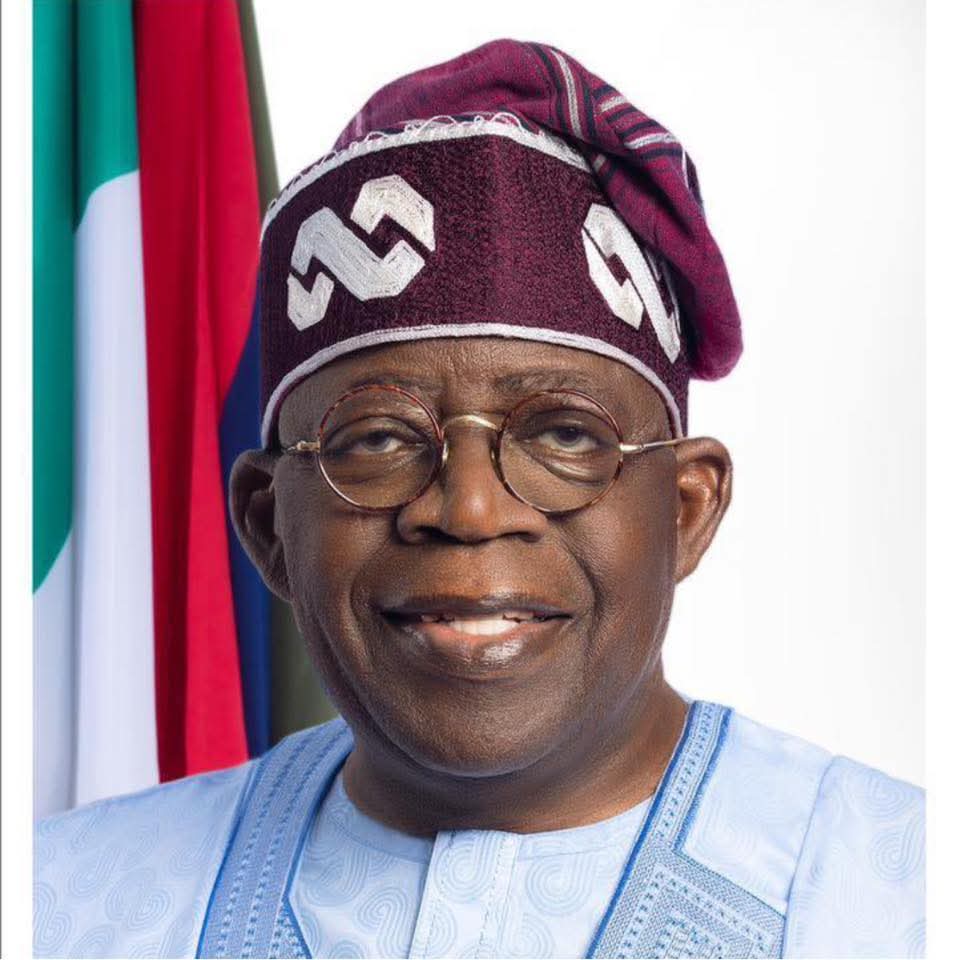
President Bola Tinubu expressed deep sorrow over the loss, praising the bravery of the troops. Speaking via his Special Adviser, Bayo Onanuga, the President characterised the insurgents’ counterattacks as a “sign of desperation” in the face of sustained military pressure.
He urged the military leadership to remain undeterred and assured the public that the federal government remains fully committed to defeating terrorism and honouring the sacrifices of its fallen heroes.