Open Forum Care for Humanity Foundation has condemned the reported linkage of the actualisation of the Ibom Deep Seaport to Akwa Ibom State’s pledge to deliver two million votes for President Bola Ahmed Tinubu in the 2027 presidential election, insisting that the state’s long-awaited economic project must not become a bargaining chip for political loyalty.
In a press statement dated November 9, 2026, and signed by its Founder and President, Citizen Matthew Koffi Okono, the organisation described President Tinubu’s remarks during his November 6 visit to Uyo as a troubling politicisation of a development project conceived more than two decades ago.
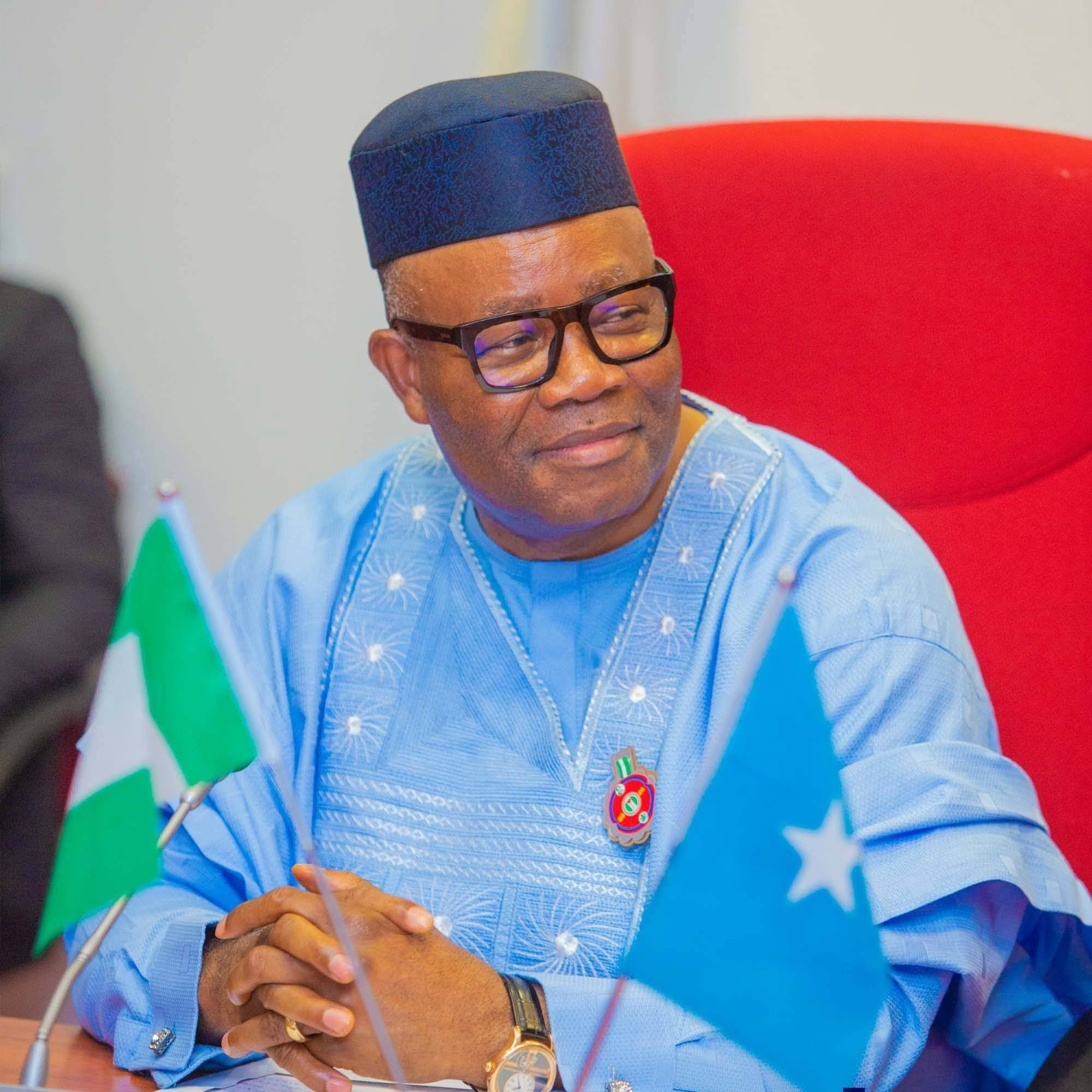
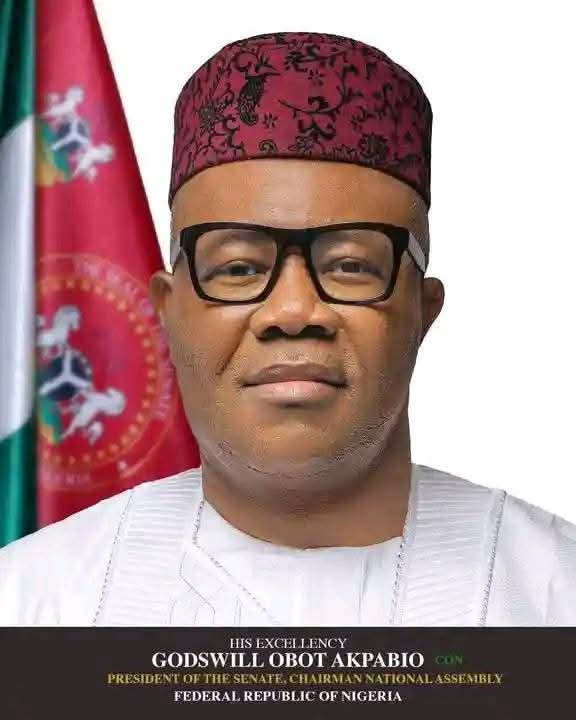
At the grand reception rally at Godswill Akpabio International Stadium, Governor Umo Eno and Senate President Godswill Akpabio pledged two million votes for Tinubu and the APC in 2027.
Responding to the governor’s appeal for the seaport’s actualisation, the President said: “Do you want a Seaport? Will you vote? Okay. Vote for it. It’s approved!”
At the state banquet later that evening, Tinubu reinforced the position, declaring: “Keep your promise, I will keep mine. There will be Akwa Ibom Deep Seaport.”
But Open Forum argued that the statements appeared to make Federal Government support for the project conditional on electoral performance, warning that development should be a right and not a reward for political allegiance.
The organisation questioned what would happen if Akwa Ibom failed to deliver the promised votes but Tinubu won re-election, or if the President lost the election despite the state fulfilling its pledge. It warned that tying a strategic economic project to electoral outcomes could jeopardise its future.
Tracing the project to its conception as the Ibaka Deep Seaport and Industrial City by former Governor Victor Attah in the early 2000s, Open Forum maintained that it was a non-partisan development vision that predated successive administrations and had secured various stages of Federal Government approval.
It also recalled Tinubu’s January 2023 campaign promise to actualise the project, drawing a parallel with the 2023 election, when Akwa Ibom’s support for Atiku Abubakar did not translate into the anticipated political dividends following his defeat nationally.
Beyond the presidential remarks, Open Forum identified unresolved internal challenges as major obstacles to the project’s actualisation.
It disclosed that the seaport is structured under a Public-Private Partnership arrangement, with 60 per cent equity participation for the core investor and 20 per cent each for the Federal and Akwa Ibom State governments. It said the state government had signed two Memoranda of Understanding with prospective core investors, while another interested investor, which submitted a Letter of Expression of Interest in May 2026 after an initial meeting in January, was still awaiting a response.
The group called for transparency regarding existing investment agreements, resolution of outstanding host-community disputes and clarification of the project’s location and implementation arrangements.
It warned that unresolved controversies could discourage investors and make Federal Government sovereign guarantees difficult.
It also questioned the level of official understanding and communication surrounding the project, citing an incident during recent state ministerial briefings when commissioners responsible for Seaport Development and Information could not identify the project’s location when questioned by a journalist.
Consequently, the organisation urged Governor Eno’s administration to audit the project, resolve outstanding issues and publish an updated status report detailing approvals, investment agreements, outstanding requirements and the respective responsibilities of the state and Federal Government.
It specifically appealed to President Tinubu to replace his reported conditional approval with a formal, written and unconditional Federal Government commitment through the Federal Ministry of Marine and Blue Economy, Nigerian Ports Authority and Infrastructure Concession Regulatory Commission (ICRC).
Open Forum also regretted that the President’s visit did not address other critical issues affecting the state, including the appointment of a Vice-Chancellor for the University of Maritime Studies, Oron, established by an Act of Parliament in 2022.
It questioned the institution’s continued operation under the former Maritime Academy’s ND/HND structure despite its conversion to a university.
On the disputed 76 oil wells, the organisation raised concerns over remarks attributed to Senator Adams Oshiomhole at the November 2 Cross River APC presidential campaign rally, where he described Cross River as an oil-producing state under Tinubu’s administration.
It cautioned against statements capable of reigniting tensions between Akwa Ibom and Cross River, insisting that the existing Supreme Court judgement and due process must guide the matter.
The group further advocated a separate location and dedicated Federal Government funding for the proposed Federal University of Agriculture and Technology at Obio Akpa, Oruk Anam, rather than displacing the existing Akwa Ibom State University campus.
It also demanded the release of funds for the long-delayed Calabar-Itu Dual Carriageway project.
While congratulating Governor Eno and other state stakeholders on the successful hosting of Tinubu, Vice-President Kashim Shettima, First Lady Oluremi Tinubu and other dignitaries, Open Forum urged civil society organisations, the media, traditional institutions, community leaders and political stakeholders to engage government constructively and demand accountability.
The organisation maintained that the Ibom Deep Seaport, conceived as a catalyst for industrialisation and economic transformation, must transcend partisan politics and successive administrations.
“A port built on quid pro quo and intimidation is bound not only to sink with politics, but create anarchy among the people,” Open Forum warned, insisting that transparency, accountability, investor confidence and cooperation between government and host communities were essential to delivering the project.