The heft of helplessness
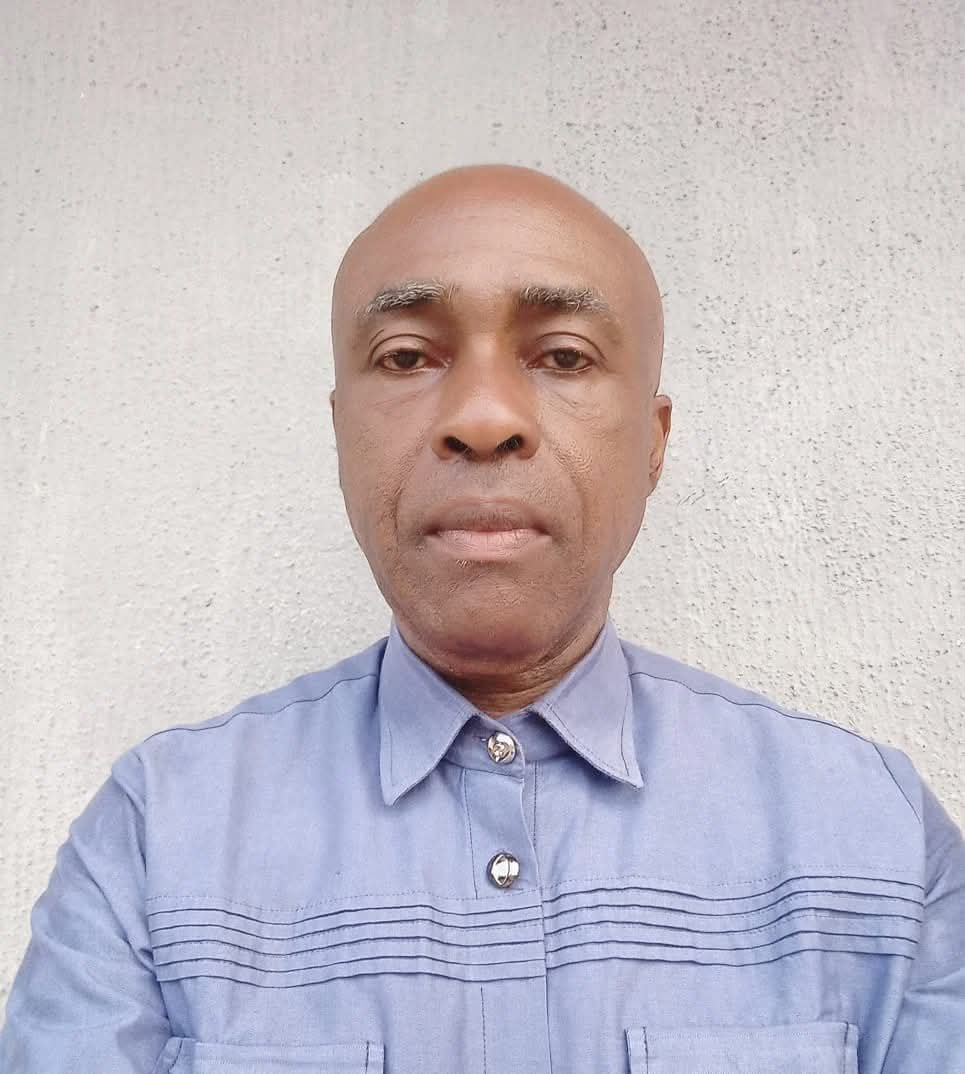
By Soney Antai, serial award-winning columnist
Helplessness is a lived reality for many across the globe, but it is particularly acute in Nigeria, where economic decay and insecurity have become its primary expressions. To be helpless in the face of daunting challenges—especially mortal ones—is a soul-crushing weight.
To be confronted with what is clearly beyond one’s capability to handle is one of the most dehumanizing experiences of life. It becomes all the more excruciating when bystanders possess the power to help but choose to remain indifferent.
I recently watched a painful video showing creatures in human form, armed with assault rifles, ordering farmers to lie prone on fields teeming with crops while the latter’s cattle grazed on the harvest. The men on the ground remained as still as scrap iron in a rubbish heap, apparently praying that at least their lives would be spared.
Conversely, the gunmen standing over them displayed such an arrogance of power that they seemed to forget their own mortality. The criminal behind the camera sent a clear message: You are helpless; I am your god; if you disagree, you get a bullet. Western media, taking cues from compromised local outlets, call this “herder-farmer clashes.” But framing intentional aggression as a “clash” does not change the reality of the assault. But speaking from a spiritual standpoint, the farmer is here helpless, but not defeated; in the final tally of life, evil cannot outrun good.
The national economy has dipped so low that it, too, seems helpless. Petrol has been selling for over ₦1,300 per litre for three weeks now, with no end in sight. The masses are paralyzed because brute power sits firmly with the oppressive class. The people look on, teary-eyed, heads bowed, hands trembling, and hearts broken, watching a future frozen in place. Their only recourse is the silent prayer of the desperate: “God, help us!”
We are fast becoming a “helpless-majority” country. Parents struggle to fund basic education, banks keep making unexplainable deductions from personal accounts of their customers, politicians are unsurprisingly are more concerned about 2027, a year not all us will see, while prices of goods and services are way beyond the rich of the common man.
For youngsters in the National Youth Service Corps (NYSC), the only certainty is the uncertainty of employment. It is a fate only deep faith can face unfazed—but where is such faith to be found? These graduates know the Nigerian “spoils system” is a tectonic prebendalism they must navigate. They are helpless unless they find the courage to walk the “path not taken” toward financial freedom.
Even my local DisCo (Distribution Company) joins the fray. After 24 hours of darkness as I write this, the power flashed for five seconds and vanished—a cycle repeated four times in an hour. Three hours, and counting, they have not returned light. There is no “light at the end of the tunnel” because, in this pitch darkness, one cannot even find the entrance to the tunnel. Even a human bat would struggle to navigate this void.
On the plateau, the harvest of blood continues. Helplessness knocked again on the doors of Plateau State—one of Nigeria’s perennial killing fields—specifically in the Ungwan Rukuba community of Jos on Palm Sunday (March 28th). For context, this is a Christian-dominated area. Attackers crept in with automatic weapons, spraying bullets indiscriminately. While the military denies it, some residents alleged that security cover was provided to the killers—a claim that men like Gen. Theophilus Danjuma and Gen. Henry Ayoola might find tragically credible.
By the time the carnage ended, reports indicated that over 53 people had been brutally murdered. As of this writing, there are no reports of arrests or counter-operations against the monsters suspected to be Boko Haram or Fulani jihadists. The community is left to mourn and wait for the next strike.
President Bola Ahmed Tinubu sought to silence critics who labeled him insensitive by visiting Jos on Wednesday, 1st April. It followed his Monday condemnation of the attacks as “barbaric.” However, the visit had a peculiar twist. The President stopped at the Yakubu Gowon Airport, addressed the people for less than 15 minutes, and departed to attend to other state business, leaving the mourners in a fresh wave of helplessness. A day later, another fatal incident occurred.
Critics blame the President for not visiting the crime scene, but perhaps even a president can be helpless. At the airport, the lack of electricity reportedly made the heat unbearable for a man who just celebrated his 74th birthday. Presidential spokesman Bayo Onanuga might dismiss these critics as “naysayers,” reminding us that the President promised more CCTV cameras. But what can cameras do when the location of the “ghost attackers” remains “unknown”? In the end, it is a staggering heft of helplessness. Even the killers seem helpless, bound to a deity they believe demands blood for entry into a “neverland” of eternal carnal rewards.
May the Almighty help us identify these murderers and the collaborators within our security forces. Otherwise, we remain trapped under this heavy, suffocating weight of helplessness.