Hope rises for state police as Senate passes bill
• Empowers governors to appoint Commissioners of Police
The Senate yesterday passed a bill to establish state police across the country, marking a significant milestone in Nigeria’s long-standing debate over decentralising the national security architecture to combat worsening insecurity.
The bill was passed by more than two-thirds of senators in support via a manual roll-call process conducted on the floor of the chamber following a clause-by-clause review.
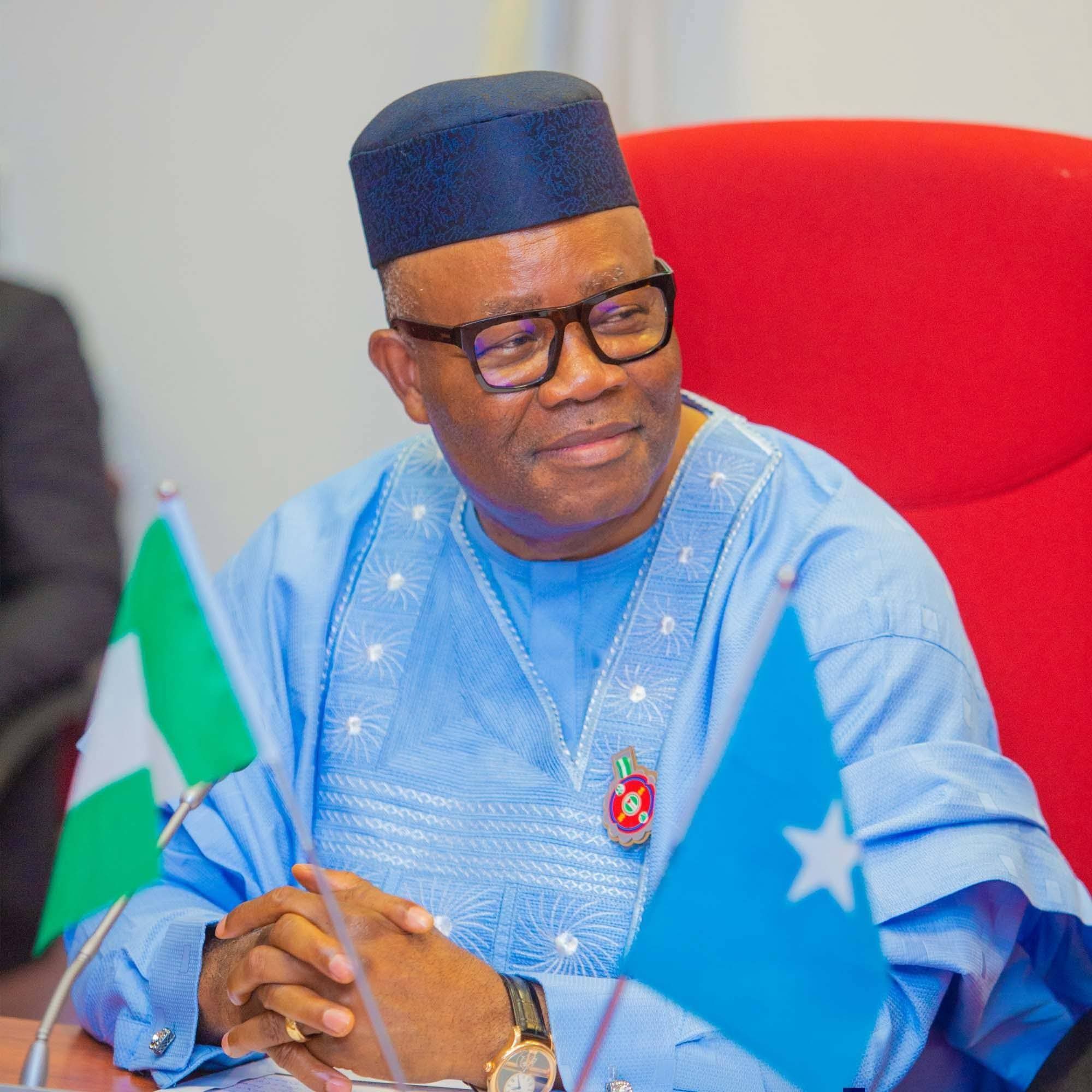
Senate President Godswill Akpabio announced the passage of the legislation after lawmakers overwhelmingly backed the proposal, as reported by The PUNCH.
The upper chamber’s approval followed the presentation of the report by the Senate Committee on the Review of the Constitution, delivered by Deputy Senate President and committee chairman, Barau Jibrin.
Before the final vote, the bill’s provisions were thoroughly considered at the Committee of the Whole. Senate Leader Opeyemi Bamidele, who led the debate, urged his colleagues to support the reform, which many described as essential for strengthening internal security and improving responses to local threats.
The legislation establishes a state policing framework to operate concurrently with the federal system, effectively ending the federal government’s exclusive control over policing.
Key provisions and operational oversight
A central feature of the bill empowers state governors to appoint Commissioners of Police for their respective states, subject to confirmation by the state Houses of Assembly.
Under Clause 17 of the proposed constitutional amendment:
”While the Federal Police Service will continue to be headed by the Inspector-General of Police, each State Police Service shall be headed by a Commissioner of Police appointed by the governor and confirmed by the legislature of the state.”
To ensure operational balance, Section 17(6) stipulates that a governor may issue “lawful written directives of a general policy nature” to the Commissioner of Police regarding the maintenance of public safety and order within the state.
Safeguards against abuse
Addressing concerns that state policing could be weaponised against political opponents, journalists, or activists, lawmakers included explicit legal safeguards.
Section 17(7) mandates that a state Commissioner of Police “shall not arrest, detain, investigate or deploy force against any person, political party or group merely for criticising the government, except in accordance with the law.” This ensures that all policing actions must comply with due process and existing legal frameworks.
Legislative process and attendance
The passage occurred shortly after the Senate abandoned plans to use an electronic voting system. Lawmakers opted for manual voting due to technical glitches, ensuring no senator was disenfranchised.
Senate Leader Bamidele moved the motion to proceed manually, an approach backed by Senator Akpabio, who emphasised that an open vote would promote transparency and allow Nigerians to clearly see where their representatives stood on the historic issue.
The proceedings were witnessed by several high-ranking officials, including the Governors of Kaduna, Ogun, and Ondo states—Uba Sani, Dapo Abiodun, and Lucky Aiyedatiwa, respectively—as well as the Chief of Staff to the President, Femi Gbajabiamila.
Context, next steps
This legislation is one of the most consequential reforms undertaken by the 10th National Assembly. Advocates argue that the current centralised structure is overstretched and ill-equipped to handle the rise in banditry, terrorism, and kidnapping.
Conversely, critics maintain that state-level control could lead to the suppression of political dissent.
Having cleared this major legislative hurdle, the bill must now secure the approval of two-thirds of the state Houses of Assembly after which it would be transmitted to the president for assent.
Once the president gives his assent, the bill will become an Act and made part of the country’s consttution.