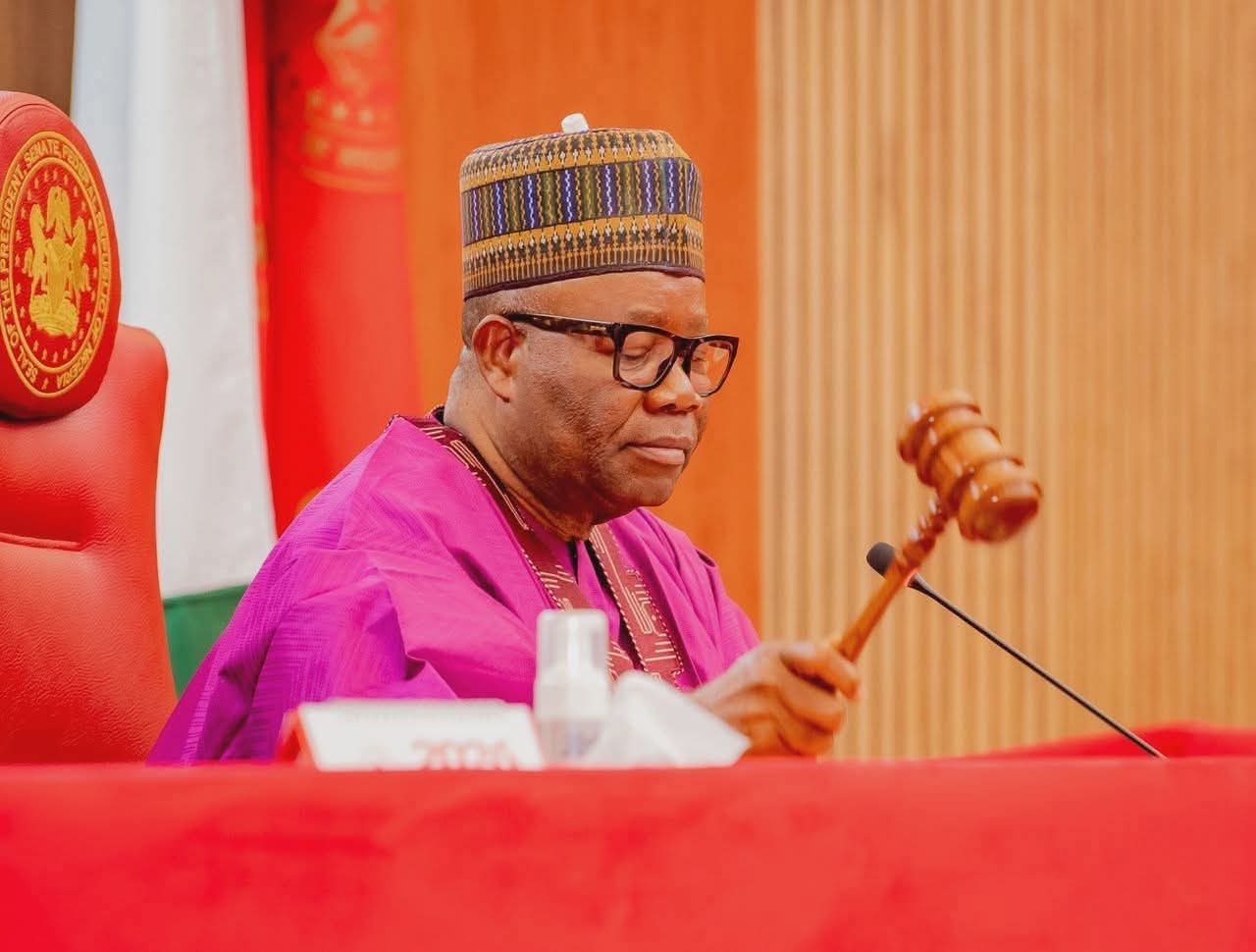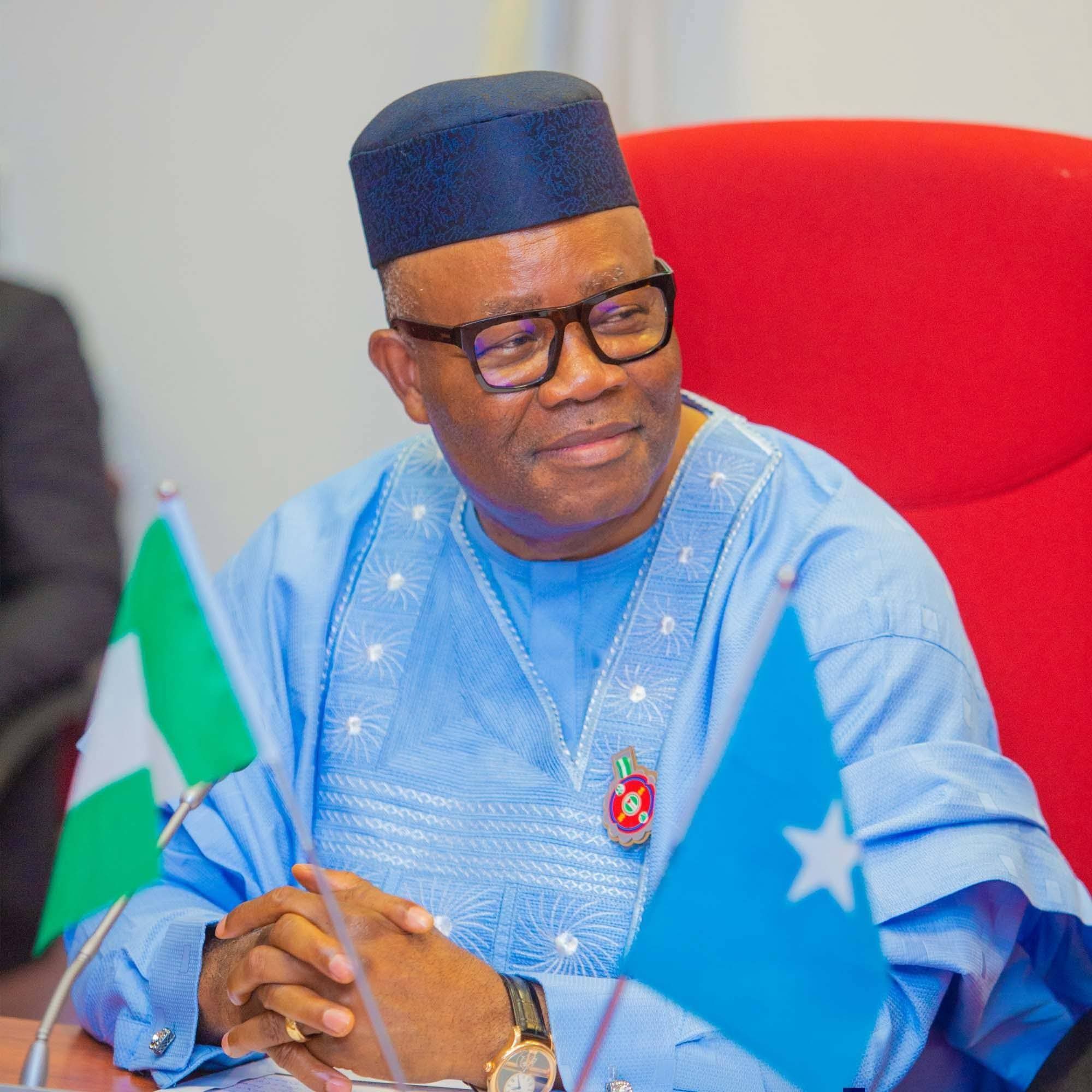
Politics, in many places, is often reduced to numbers, calculations and cold negotiations. But every once in a while, a politician emerges whose connection with the people transcends strategy and enters the realm of emotion, affection and enduring loyalty. In Akwa Ibom State, Senator Godswill Obot Akpabio has continued to prove himself as one of such rare political figures.
The massive turnout that greeted the All Progressives Congress (APC) senatorial primary for Akwa Ibom North West Senatorial District on Monday, May 18, was more than a routine political exercise. It was a vivid public testimony of enduring love between a leader and his people. Although Senator Akpabio stood unopposed as the sole aspirant, constituents still flooded the ward centres at Methodist School, Ukana West II, and many others in Essien Udim and other Local Government Areas. It was something more like a grand carnival rather than an ordinary party primary.
Men, women and youths sang, danced and celebrated with uncommon enthusiasm. The atmosphere radiated excitement, solidarity and deep emotional attachment. The gathering was not compelled by political necessity; it was inspired by genuine affection for a man many consider their own.
For decades, Akpabio has cultivated this unusual relationship with the people through a style of leadership anchored on accessibility, compassion and human connection. From his days as Commissioner in Akwa Ibom State to his transformational years as Governor, his tenure as Senate Minority Leader, Minister of Niger Delta Affairs and now President of the 10th Senate, he has consistently projected a brand of politics that places people at the centre.
His charisma is undeniable. His political energy is infectious. Yet beyond the public oratory and commanding presence lies something even more compelling, an intentional commitment to humanity. Akpabio possesses that rare ability to make ordinary citizens feel seen, valued and remembered. This perhaps explains why many people respond to him not merely with support, but with emotional devotion.
Across communities in Akwa Ibom, stories abound of spontaneous acts of admiration whenever Akpabio appears in public. There are occasions when supporters spread their clothes on the ground for him to walk upon, a symbolic gesture usually reserved for deeply revered personalities. Such acts may appear dramatic to outsiders, but within the local context they represent heartfelt appreciation from people who believe they have benefited from his kindness and inclusive leadership.
What distinguishes Akpabio from many contemporary politicians is his instinctive compassion. On several occasions, he has broken official protocols simply to identify with struggling citizens, comfort the vulnerable or respond directly to the needs of ordinary people. These moments are often unscripted and deeply human. They reinforce the perception of a leader who has not allowed power to disconnect him from the emotions and realities of the grassroots.
It is therefore unsurprising that his senatorial affirmation attracted overwhelming participation despite the absence of contest. The people came not because there was a battle to fight, but because there was a bond to celebrate. They came to demonstrate ownership of a political journey they believe belongs as much to them as it does to Akpabio himself.
In many ways, the carnival-like atmosphere surrounding the primary election sends a broader political message beyond Akwa Ibom North West. It reveals that Akpabio’s influence is not sustained merely by political structures or elite alliances, but by emotional capital painstakingly built over many years of public engagement. Such goodwill cannot be manufactured overnight. It is earned through consistent visibility, empathy and tangible impact.
Indeed, the event offered a glimpse into the kind of momentum that could shape future political calculations at the national level. If the enthusiasm displayed at the ward level is anything to go by, then Akpabio’s political relevance remains remarkably strong. More importantly, it suggests that should he again seek the leadership of the Senate in the 11th National Assembly, he may continue to enjoy widespread support rooted not only in political negotiation, but also in public perception and popular legitimacy.
Leadership ultimately is not only about occupying office; it is about inspiring confidence, loyalty and hope. The scenes from Ukana on May 18 reaffirmed that for many people in Akwa Ibom State, Godswill Obot Akpabio represents more than a Senator or Senate President. To them, he is a symbol of connection, compassion and continuity. And when politics begins to look like a carnival of affection, then perhaps the return ticket is already secure long before the ballots are counted.