By Malachy Ukpong
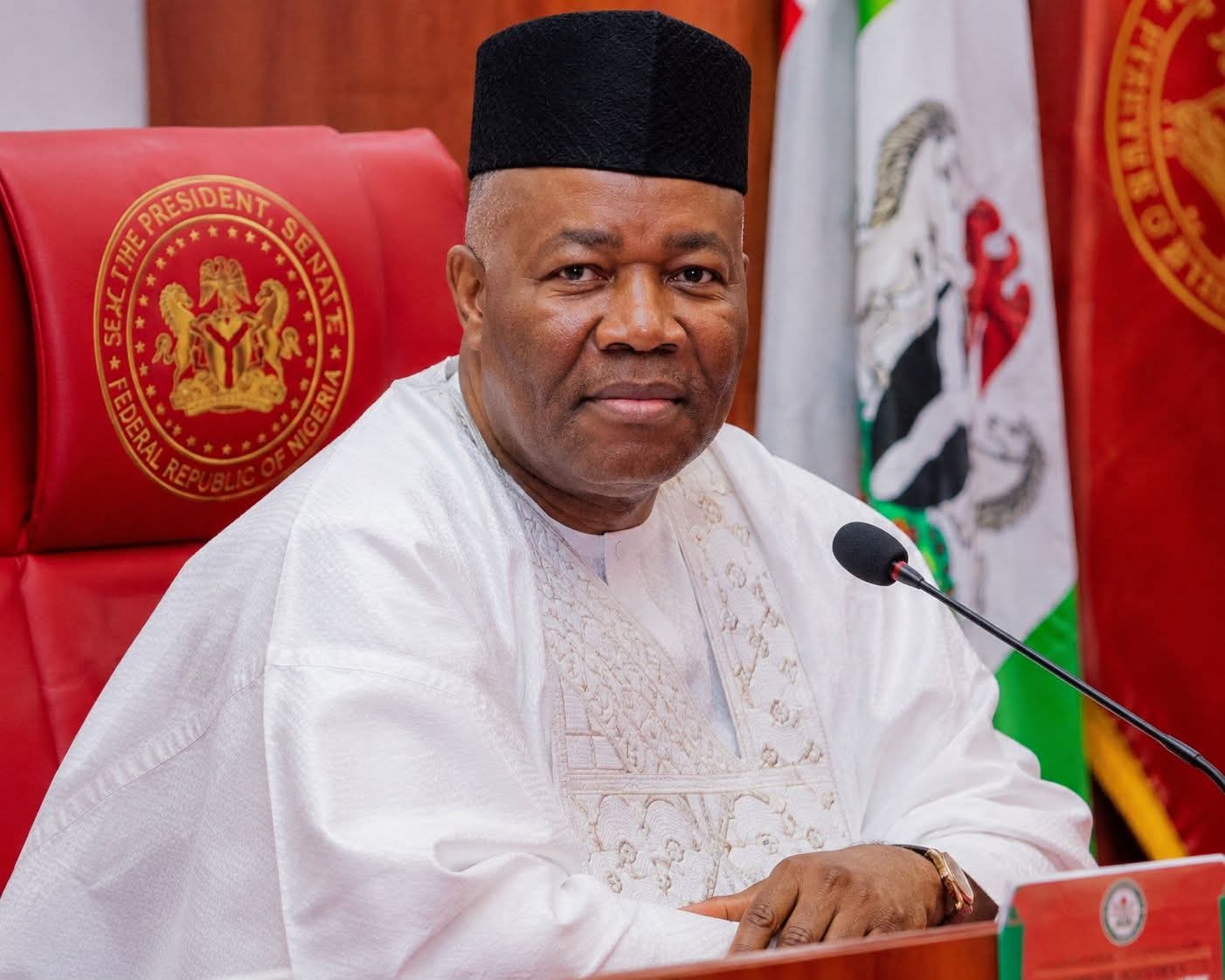
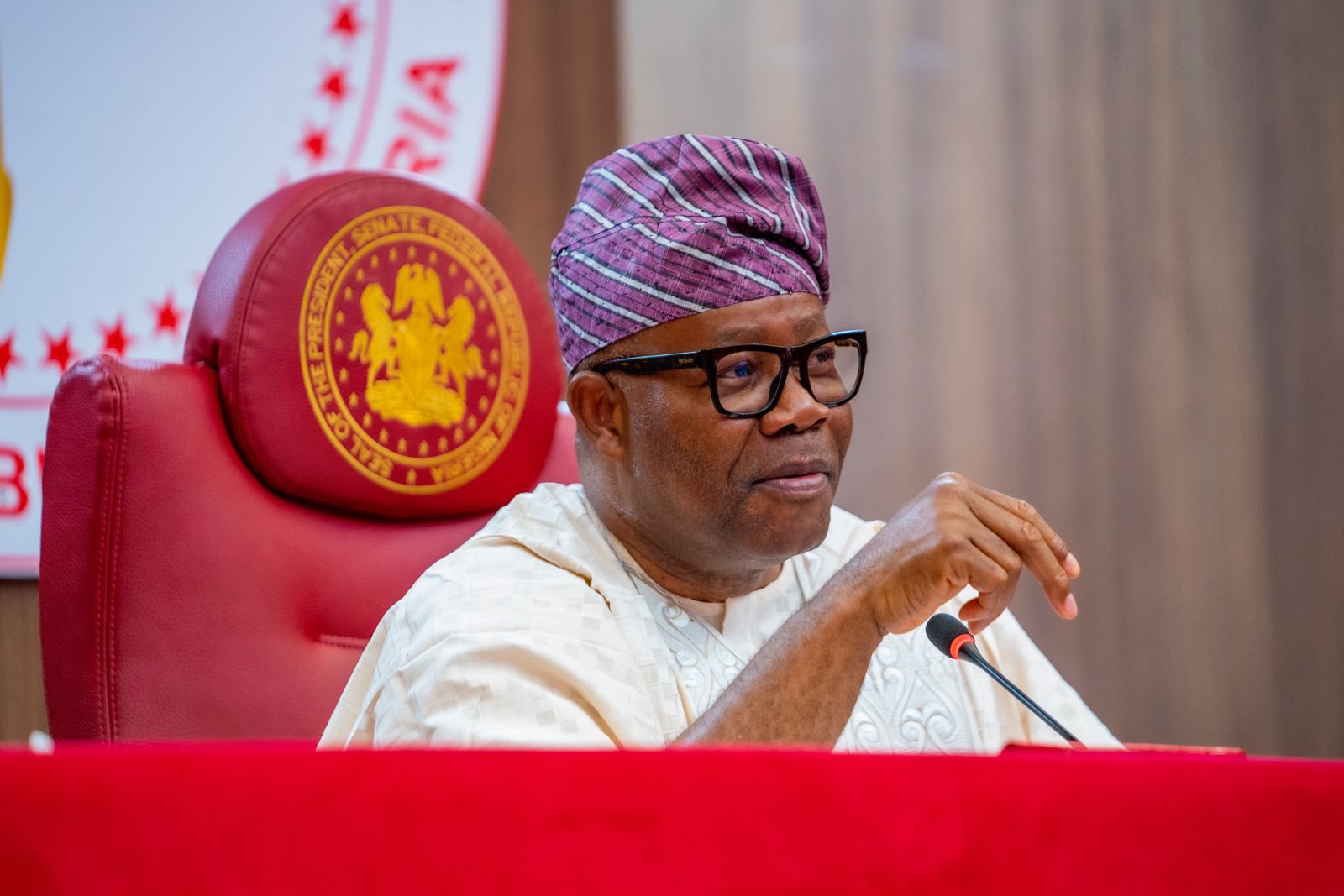
The inauguration of the 2026 National Assembly Open Week by the President of the Senate, Senator Godswill Obot Akpabio, GCON, has generated widespread discussion among political stakeholders, governance experts, civil society organisations, members of the diplomatic community, students and ordinary Nigerians. The initiative has been described by supporters as one of the 10th National Assembly’s most significant efforts to strengthen the relationship between Parliament and the Nigerian people by promoting transparency, public participation and legislative accountability.
Across many established democracies, parliamentary open days or open weeks serve as platforms for citizens to better understand how the legislature functions. Such initiatives allow the public to interact directly with lawmakers, observe parliamentary processes, participate in policy discussions and appreciate the constitutional responsibilities of the legislative arm of government. The National Assembly Open Week seeks to domesticate this democratic culture by opening the doors of Nigeria’s Parliament to wider public engagement.
For many Nigerians, the National Assembly has often appeared distant from the people it represents, with legislative activities largely viewed through media reports and political debates. The Open Week initiative therefore attempts to reduce this perceived distance by creating opportunities for citizens to engage lawmakers directly, ask questions about legislative priorities, understand the processes behind lawmaking and appreciate the oversight and representation functions assigned to the legislature under the Constitution.
The programme also reflects an effort by the leadership of the 10th National Assembly to strengthen institutional transparency. During the Open Week, committees, principal officers and lawmakers showcase legislative activities, explain bills under consideration, provide updates on constituency initiatives and discuss ongoing constitutional and policy reforms. Such engagements offer citizens the opportunity to better understand how legislation is developed, how oversight responsibilities are carried out and how public resources appropriated by the National Assembly are intended to support national development.
Supporters of the initiative argue that transparency is an essential ingredient of democratic governance. When citizens have greater access to information about parliamentary proceedings and decision-making processes, they are better positioned to hold elected representatives accountable. Public engagement also enables lawmakers to receive direct feedback from the people whose interests they represent, thereby improving the quality of legislation and strengthening public confidence in democratic institutions.
Another major objective of the National Assembly Open Week is to promote inclusive governance. Throughout the programme, stakeholders from different sectors—including traditional rulers, civil society organisations, professional associations, women’s groups, youth organisations, labour unions, faith-based organisations, persons with disabilities, students, development partners and the media—are encouraged to participate in discussions on issues affecting national development.
The emphasis on inclusion reflects the position consistently expressed by Senate President Akpabio that democratic governance should accommodate diverse perspectives and ensure that every segment of society has an opportunity to contribute to national policymaking. According to him, Parliament is not designed to isolate itself from the people but to provide a constitutional platform where differing opinions can be debated, competing interests reconciled and national consensus built.
The Open Week also provides an opportunity to discuss ongoing constitutional amendment proposals before the National Assembly. Among the issues attracting significant public interest are electoral reforms, judicial reforms, local government administration, fiscal federalism, devolution of powers, the proposal for the establishment of state police and measures aimed at improving the participation of women and persons with disabilities in governance. Public conversations during the Open Week allow stakeholders to present memoranda, share expert opinions and contribute ideas that may assist lawmakers during legislative deliberations.
One proposal that has received considerable attention is the Special Seats Bill, which seeks to create additional legislative seats reserved for women in the National Assembly and State Houses of Assembly as a temporary affirmative action measure. Advocates argue that the proposal could help address the persistent underrepresentation of women in elective offices and strengthen gender inclusion in Nigeria’s democratic process. Discussions during the Open Week provide another avenue for citizens and advocacy groups to express support, raise concerns or make recommendations regarding such constitutional proposals.
The initiative equally strengthens collaboration between Parliament and other arms of government without diminishing the constitutional principle of separation of powers. By creating opportunities for dialogue among legislators, government institutions, development partners and members of the public, the Open Week encourages broader consultation before major legislative decisions are taken. Such engagement has the potential to improve policy implementation by ensuring that laws are informed by practical realities and stakeholder input.
Beyond policy discussions, the National Assembly Open Week serves an important civic education function. Many young Nigerians have limited understanding of how bills become law, the oversight responsibilities of legislative committees or the representative duties of elected lawmakers. Through guided tours, interactive sessions, exhibitions and public lectures, participants gain firsthand knowledge of parliamentary procedures and democratic governance, helping to build a more informed and politically engaged citizenry.
At the inauguration of the 2026 National Assembly Open Week, Senate President Godswill Akpabio emphasised the importance of listening to citizens as a foundation for effective governance. He stated: “A Parliament that listens becomes wiser. A democracy that listens becomes stronger.” The remark underscores the broader objective of the initiative—to promote dialogue, encourage citizen participation and strengthen democratic accountability.
Ultimately, the success of the National Assembly Open Week will be measured not merely by attendance or public interest during the event, but by its long-term impact on legislative openness, public trust and citizen participation in governance. If sustained and continuously improved, the initiative could contribute significantly to making Nigeria’s Parliament more transparent, more accessible and more responsive to the aspirations of the people it serves.
The National Assembly Open Week therefore represents an important opportunity to deepen democratic engagement by fostering dialogue between elected representatives and citizens. Whether viewed as a transparency initiative, a civic education programme or a platform for inclusive governance, its enduring value will depend on the extent to which it strengthens public confidence in the legislative institution and encourages meaningful participation in Nigeria’s democratic process.