VC advocates clear court judgments to aid accurate media reportage
By Ernest Udoh-Robert
Unclear and ambiguous court judgments have continued to fuel misrepresentation of judicial decisions by journalists, leaving members of the public with wrong interpretations of what the court actually ruled.
This was the position of the Vice Chancellor of the University of Uyo, Prof. Christopher Ekong, at a one-day symposium on “Effective Crime and Court Reporting: The Role of the Media in the Administration of Justice,” organised by the Nigeria Union of Journalists (NUJ), Akwa Ibom State Council. The event held at the NUJ Press Centre, Uyo, on Wednesday, 26th August, 2026.
Prof. Ekong, who chaired the session, urged judges and justices to deliver clear, precise, and unambiguous judgments, noting that vague rulings have far-reaching implications for both reportage and public understanding.
Recalling his personal ordeal at the Nigeria Correctional Centre due to incessant adjournments and systemic corruption within the justice sector, the VC said it was the media that brought his case to public attention.
“But for the media, my case would not have been in the public domain. This underscores why the role of the media is critical in the dispensation of justice,” he said.
The professor of Economics noted that the media give visibility to victims and promote transparency and accountability, but stressed that journalists must be guided by the principles of accuracy, objectivity, and fairness.
He warned practitioners against contempt of court and encouraged them to deepen their understanding of court proceedings to avoid misrepresentation. “With this symposium, journalists will be better equipped to cover crime and report court proceedings effectively,” he added.
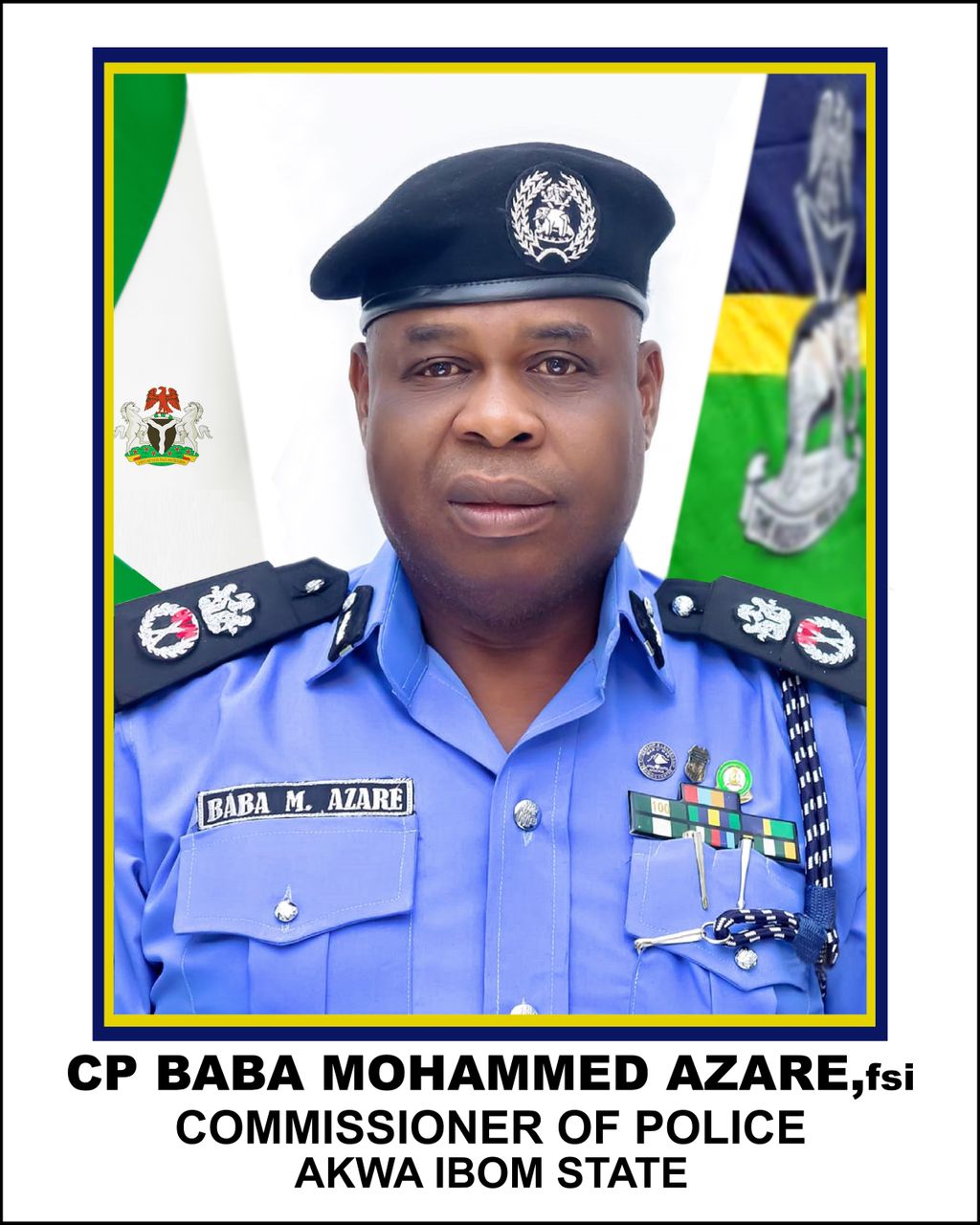
In his remarks, the Akwa Ibom State Commissioner of Police, Baba Mohammed Azare, cautioned journalists against “media trial.” He said the police should not be misrepresented and urged reporters to allow competent courts to determine cases while keeping public interest in focus.
“The Nigeria Police Force recognises the media as partners. This partnership must be built on mutual respect and standard communication principles,” CP Azare stated.
Delivering a paper entitled “Writing Effective Court Reports and Navigating the Complexities of Contempt and Defamation,” Justice Ifiok Ukana (retd.) described the judiciary as “a mystery” that requires specialised knowledge to cover.
“Journalists covering Nigerian courts still have a lot of work to do. They must understand judicial decision-making, legal terminology, judgments, rulings, and time limits for injunctive reliefs. Until this is done, the press cannot adequately inform, educate, and influence public opinion,” he said.
Justice Ukana clarified that the goal was not to turn journalists into lawyers, but to equip them with the right tools. He added that contempt of court should be seen as a tool to preserve the dignity of the judiciary and not as a weapon to intimidate the press.
“The court and the press must not be at loggerheads. We are partners in promoting and strengthening democracy,” he concluded.
Speaking on “Courtroom Etiquette, Judicial Communication, and Accurate Reporting,” the Director of Public Prosecutions, Friday Itim, stressed the need for journalists to observe courtroom decorum, including refraining from taking photographs or recording live videos without the presiding judge’s permission.
He also explained some legal terms: “A discharge means a defendant is released but can be rearrested and retried. An acquittal means release on merit at the end of trial.”
In his paper on “Balancing the Desire for Breaking News with Fair, Factual Reporting,” Cletus Ukpong, South-South Editor of Premium Times, said speed gives competitive advantage while accuracy is a professional obligation.
“The secret is knowing what must be established before publication and what can wait for updates. We must also protect victims, witnesses, and vulnerable persons,” he said.
The Commissioner of Information and Strategy, Dr. Aniekan Umanah, underscored the media’s critical role in the administration of justice. He challenged journalists to examine their competence in reporting sensitive judicial matters and to balance the urge to break news with the responsibility to avoid inaccurate or inflammatory reporting.
In his opening remarks, NUJ Akwa Ibom State Council Chairman, Comrade Nsibiet John, said the symposium was aimed at deepening journalists’ understanding of crime and judicial reporting while promoting effective justice delivery.
He appreciated the state Chief Judge, Justice Ekaette Obot, for facilitating the training and strengthening the relationship between the judiciary and the media, and thanked the resource persons and participants for their punctuality and engagement.