By Ken Harries Esq
Democracies are built not only on elections but also on institutions. While elections provide legitimacy, institutions provide stability and growth. The strongest democracies are those that balance the need for accountability with the need for continuity, recognising that enduring reforms often require consistent leadership to move from legislation to implementation.
As political conversations gradually shift towards the next electoral cycle – 2027, Nigerians should therefore ask a fundamental question: when leadership has demonstrated measurable performance and is steering major national reforms, does changing that leadership necessarily serve the national interest?
This question is particularly elevant to the leadership of the National Assembly. Unlike executive offices where policy direction can change overnight, legislatures thrive on institutional memory, consensus-building, stability and the patient cultivation of broad political support. Complex constitutional amendments, fiscal and governance reforms rarely mature within a single legislative session. They require continuity of vision, experience, stability and leadership.
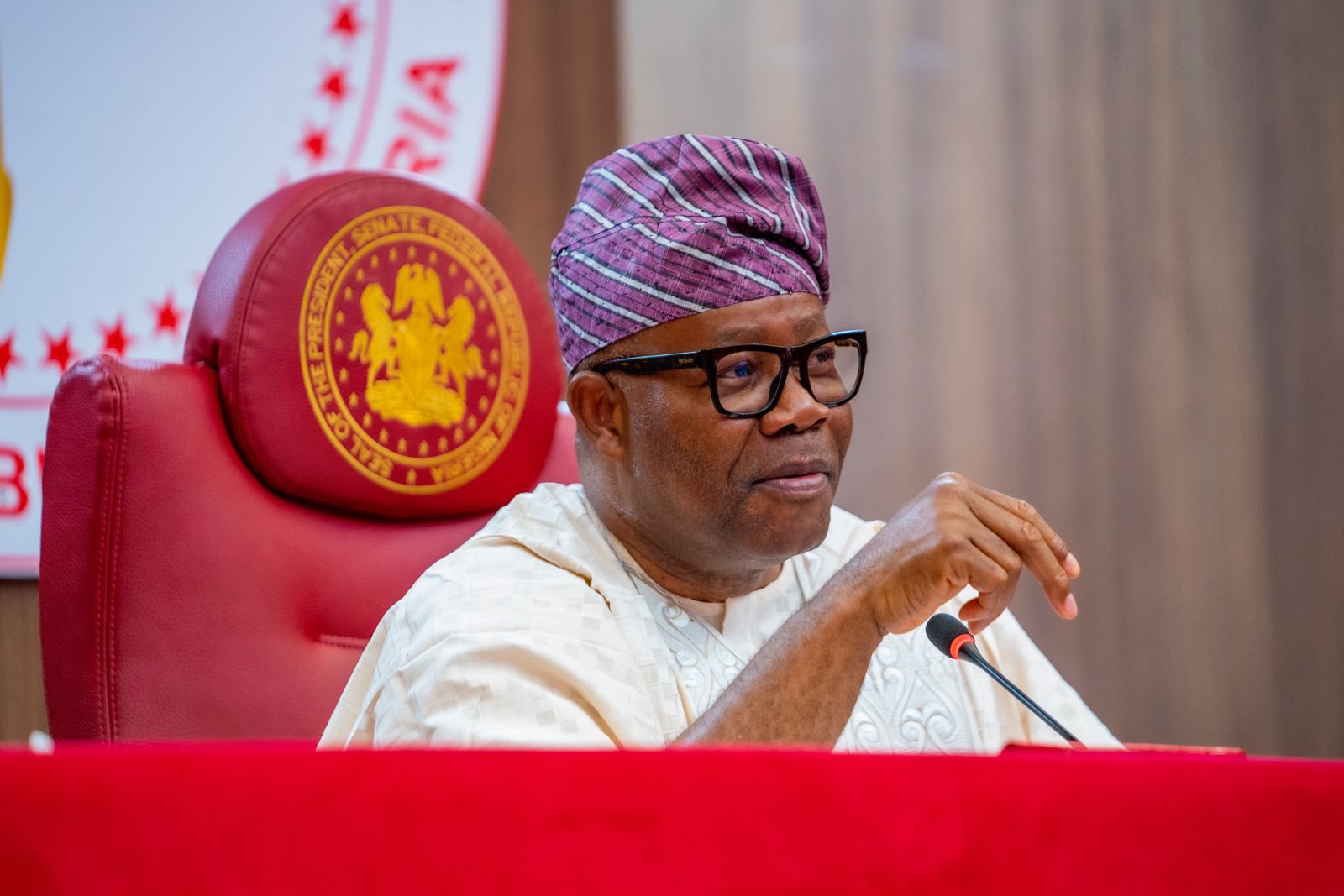
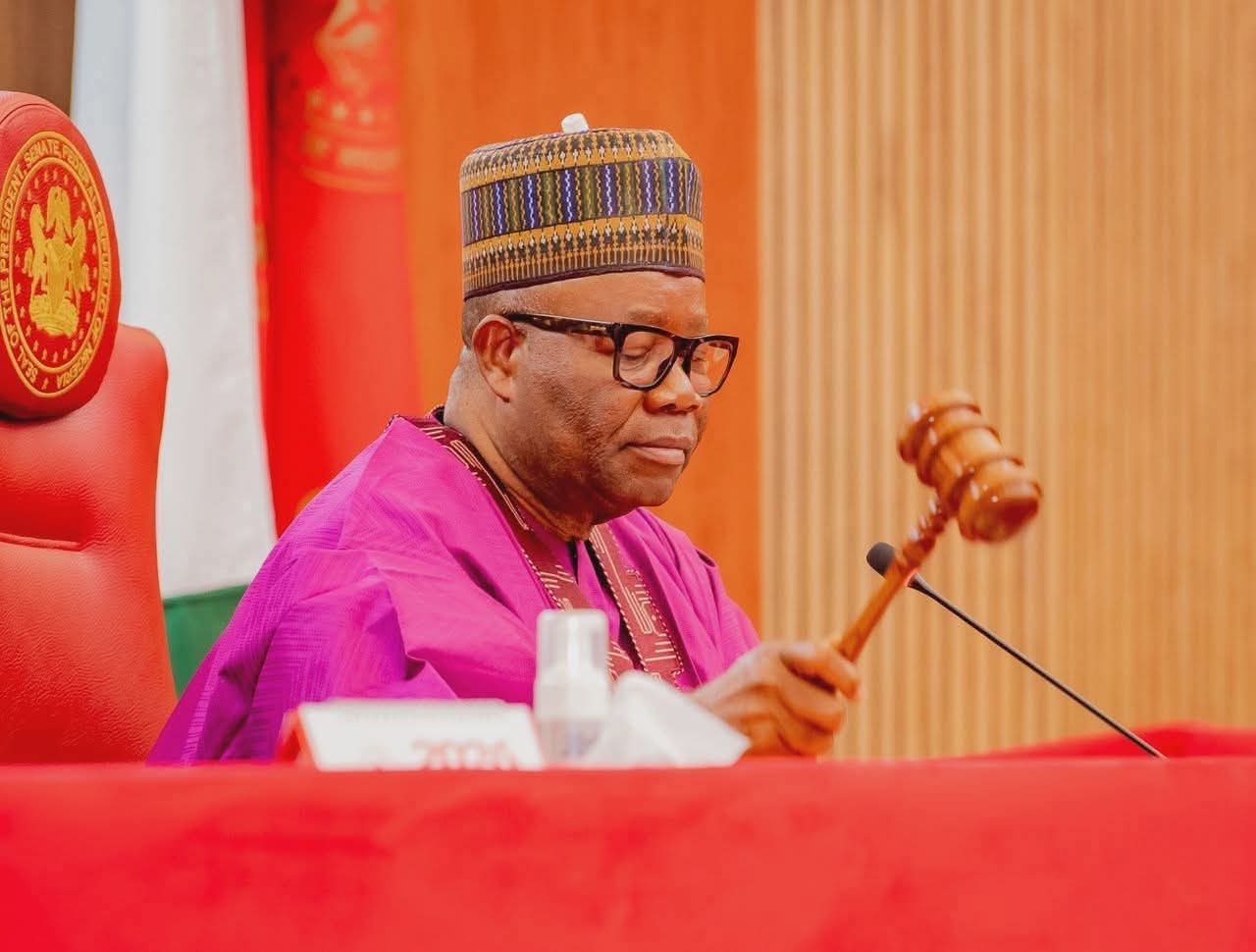
Since its inauguration, the 10th Senate under the leadership of Senator Godswill Akpabio has pursued an ambitious and innovative legislative agenda touching virtually every major areas of national development. Beyond routine lawmaking, the Senate has considered constitutional amendments, electoral reforms, fiscal restructuring, security legislation and institutional reforms designed to address some of Nigeria’s most pressing challenges. Regardless of one’s political persuasion, few would dispute that the legislative agenda of the National Assembly has been extensive, innovative, bold and consequential. Perhaps no proposal better illustrates this than the State Police Bill.
For decades, Nigerians have debated whether the country’s security challenges can continue to be effectively managed through an exclusively centralised policing structure. Rising incidents of terrorism, banditry, kidnapping, communal violence and farmer-herder conflicts have intensified calls for a policing system that is closer to the communities it serves.
The proposed constitutional amendment seeks to establish state police services operating alongside the Nigeria Police Force under carefully defined constitutional safeguards. Its supporters argue that locally recruited officers would possess a better understanding of their communities’ languages, culture, terrain and security dynamics, thereby improving intelligence gathering, crime prevention and emergency response. Rural communities are currently underserved by federal policing, could receive greater security coverage, while stronger collaboration between local communities and security personnel could significantly enhance intelligence-led policing.
Importantly, the proposal is not simply an exercise in decentralisation. Conscious of concerns about political abuse, the amendment incorporates safeguards including independent State Police Service Commissions, judicial oversight, constitutional limits on state policing powers, nationally recognised operational standards, structured coordination with federal security agencies and legislative oversight. These provisions seek to ensure that decentralisation strengthens security without undermining constitutional rights or national cohesion.
The significance of such a far-reaching constitutional reform extends beyond its passage. Should the amendment eventually become law, its successful implementation would demand sustained legislative oversight, continuous engagement with stakeholders and careful monitoring over several years. Institutional continuity could therefore become a significant advantage in ensuring that the reform achieves its intended objectives.
The same principle applies to the Electoral Act (Amendment) Bill. Elections remain the foundation of democratic legitimacy, and public confidence in electoral outcomes is predicated largely upon the credibility of the legal framework governing the process. The amendments sought to strengthen voters accreditation, improve result management, reinforce the independence of electoral institutions, regulate the deployment of technology, impose stronger penalties for electoral offences and reduce unnecessary post-election litigation through clearer legal provisions.
These reforms are intended not merely to improve election administration but to strengthen public confidence in democracy itself. Yet electoral reforms seldom end with legislative approval. They require continuous oversight, periodic refinement and close collaboration among the legislature, the electoral commission, political parties, the judiciary and civil society. Stable parliamentary leadership provides greater institutional capacity to guide that process without unnecessary disruption.
Equally significant are the Tax Reform Bills, which sought to modernise Nigeria’s tax administration, simplify compliance, broaden the revenue base and create a more predictable fiscal environment capable of supporting long-term economic growth and improved public service delivery. Such reforms are central to Nigeria’s efforts to reduce dependence on volatile oil revenues and build a more sustainable economy. Like other major reforms, however, their long-term success depends as much on consistent legislative oversight as on their initial passage.
Critics may rightly observe that no legislature is beyond criticism, and the 10th Senate is no exception. Parliamentary leadership in every democracy attracts intense public scrutiny, robust debate and differing political opinions. Those debates are healthy because democratic institutions are strengthened when leaders remain accountable to the citizens they serve.
However, leadership should ultimately be evaluated not solely on controversy but on measurable institutional performance. The more important question is whether the legislature has advanced meaningful reforms, strengthened democratic institutions and fulfilled its constitutional responsibilities. Judged by those standards, supporters argue that the current Senate leadership has maintained legislative productivity while addressing complex national challenges requiring broad political consensus.
Indeed, continuity should never be defended merely because an incumbent seeks another term. Democratic renewal remains essential. Yet experience also has value. Legislatures differ from many other institutions because effectiveness depends less on executive authority than on negotiation, persuasion, stability, coalition-building and procedural mastery. These qualities are developed over time.
Senator Akpabio’s supporters point to his unusual combination of executive and legislative experience, having served as governor, minister and now Senate President. They argue that this background has enabled him to navigate competing political interests, build consensus across party and regional lines, manage complex legislative negotiations and sustain constructive engagements between the executive and legislative arms of government without compromising the Senate’s constitutional core mandates and responsibilities.
History demonstrates that institutions often suffer when successful reforms are interrupted before reaching maturity. Nigeria itself has witnessed numerous policies abandoned, delayed or fundamentally altered simply because leadership changed. Too often, institutional momentum is sacrificed at the altar of political transition. Democracies pay a price when every new leadership begins by restarting the race rather than sustaining it.
The National Assembly is no different. Major constitutional amendments, security reforms and fiscal restructuring are not relay races in which every incoming leadership drops the baton and begins afresh. They are long-distance national projects requiring persistence, stability, institutional memory and steady stewardship. Continuity, where justified by performance, enables reforms to mature, preserves valuable institutional knowledge and reduces avoidable disruptions to legislative priorities.
This is not an argument that leadership should become permanent, nor is it a plea for blind loyalty to any individual. Every Senate President must earn the confidence of colleagues through competence, integrity, fairness and measurable performance. Ultimately, the decision belongs first to the electorates of Akwa Ibom North-West Senatorial District and, if re-elected, to members of the Senate who will choose their presiding officers in accordance with the Constitution and the Senate Standing Orders.
As Nigerians evaluate the future leadership of the National Assembly, the debate should rise above personalities and partisan loyalties. The real question is not whether one individual occupies a particular office, but whether the institution benefits from continuity at a time when significant constitutional, and security, electoral and fiscal reforms remain unfinished.
History rarely remembers legislatures for the political contests surrounding their leaders. It remembers the institutions they strengthened, the reforms they sustained and the foundations they laid for future generations. If Nigeria believes that the ongoing reforms in policing, elections, taxation and governance are essential to its future, then continuity in parliamentary leadership becomes more than a political preference. It becomes a strategic question about how best to consolidate progress, preserve institutional stability and advance the nation’s democratic development.
Ken Harries Esq is Abuja-based Development Communication Strategist