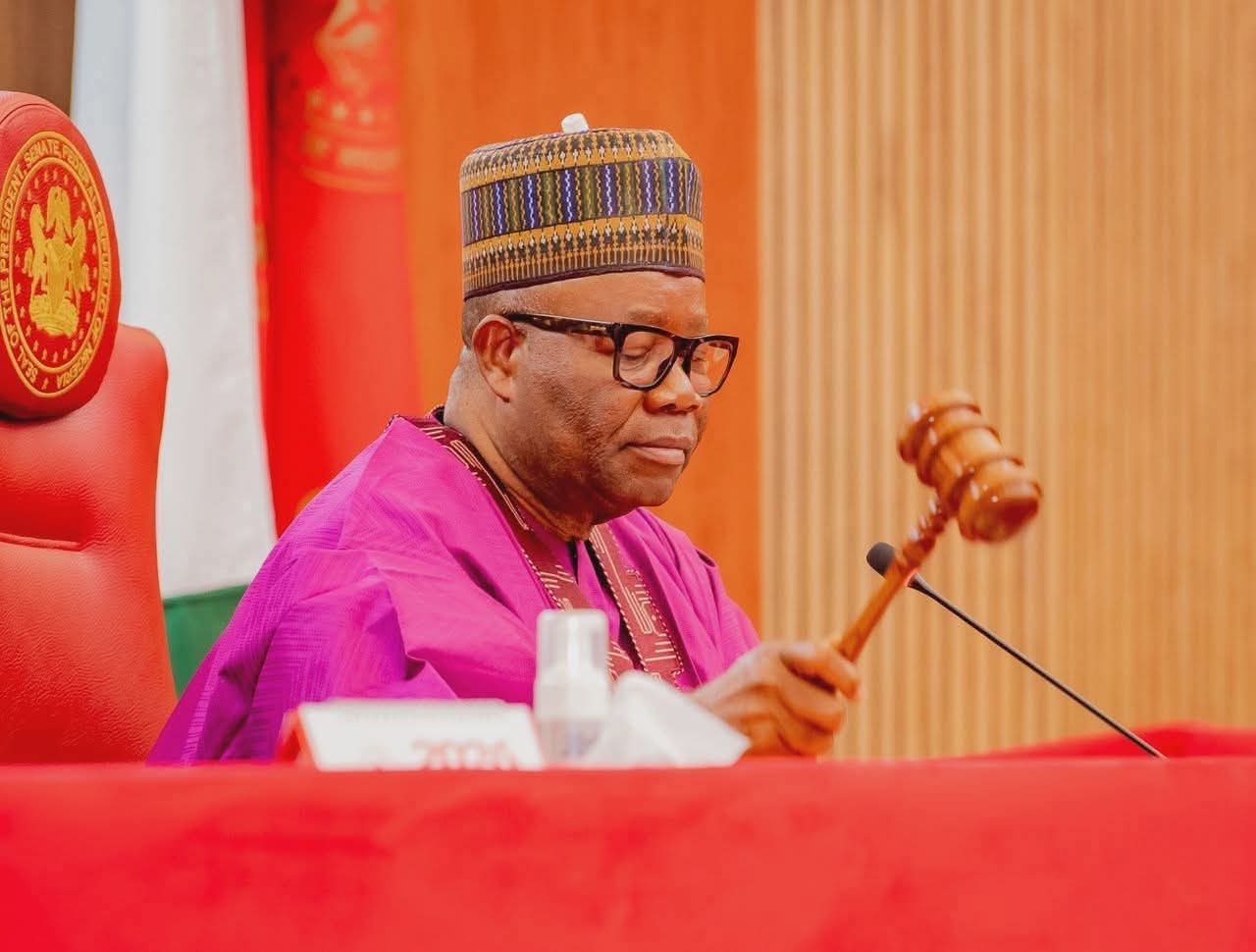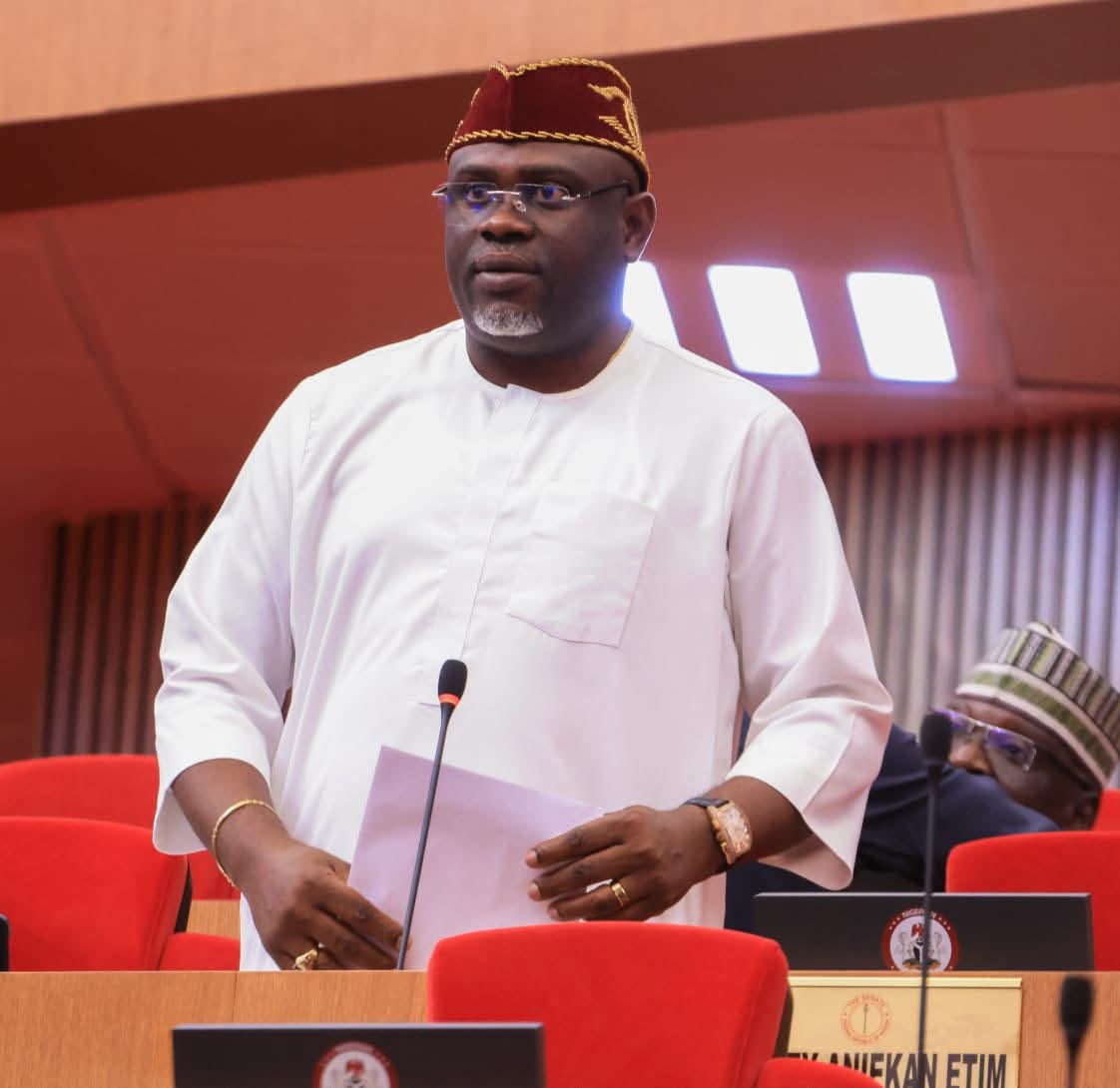
There are moments in the life of a nation when silence becomes complicity and diplomacy must rise above routine formalities to assert moral clarity. The motion on xenophobic attacks against Nigerians in South Africa and Ghana, moved by Senator Aniekan Bassey of Akwa Ibom Northeast Senatorial District stands as one of such defining interventions. It is historic not merely because it responds to a crisis, but because it reframes the responsibility of the Nigerian state toward its citizens beyond its borders.
The immediate context of the motion is deeply troubling. Reports of escalating violence in April 2026 painted a grim picture: Nigerians allegedly killed, businesses destroyed, families displaced, and many subjected to psychological trauma. More disturbing is the pattern underlying these incidents, systematic profiling and targeting based solely on nationality. This is not random violence; it is identity-driven hostility that strikes at the core of human dignity and violates established international norms.
In bringing this motion before the Senate, Senator Bassey did more than raise alarm, he gave institutional voice to a growing humanitarian concern. His characterisation of the situation as a “painful irony” captures the historical weight of the moment. Nigeria, once a central force in Africa’s anti-apartheid struggle and a longstanding advocate of continental solidarity, now finds its citizens at the receiving end of intolerance within the same regional space it helped to liberate. That contradiction lends urgency and moral force to the Senate’s intervention.
The significance of this motion is further deepened when viewed through the lens of Senator Bassey’s legislative responsibilities. As Chairman of the Senate Committee on Diaspora and Non-Governmental Organisations, his mandate directly intersects with the welfare of Nigerians abroad. This is not incidental; it underscores the legitimacy and necessity of his action. The motion is therefore not a departure from duty but a fulfilment of it, an example of legislative oversight functioning as it should: responsive, targeted, and grounded in the lived realities of citizens.
The Senate’s reaction, shaped by the motion, reflects both outrage and restraint. Lawmakers unequivocally condemned the attacks, describing them as barbaric and unlawful, while also observing a minute of silence for victims, an acknowledgment of both loss and responsibility. Yet, beyond symbolic gestures, the Senate charted a structured and strategic course of action. It called for immediate diplomatic engagement with South Africa and Ghana, demanding not just assurances but concrete outcomes: thorough investigations, prosecution of perpetrators, and enforceable guarantees for the safety of Nigerians.
Equally important is the institutional framework established to address the crisis. The decision to constitute a joint ad hoc committee of the National Assembly signals seriousness of purpose. By mandating a fact-finding and diplomatic mission, including engagement with the South African Parliament, the legislature has positioned itself as an active participant in foreign policy, not merely an observer. This form of legislative diplomacy reflects a growing recognition that global challenges require multi-layered responses beyond the executive branch alone.
Notably, the Senate resisted calls for economic retaliation, such as revoking the licenses of foreign companies operating in Nigeria. This restraint is significant. While such measures may satisfy public anger, they risk escalating tensions and undermining broader economic stability. Instead, the Senate opted for dialogue, accountability, and regional cooperation, including calls for stronger enforcement mechanisms within ECOWAS and the African Union. This approach reflects a mature understanding of both diplomacy and interdependence in a globalised world.
The debates within the Senate, particularly over whether to deliberate in closed session, also highlight an important dimension of democratic governance. The eventual decision to proceed openly reinforces transparency and public trust. Xenophobia is not a matter to be shielded from public scrutiny; it is a crisis that demands collective awareness and national engagement.
At its core, Senator Aniekan Bassey’s motion is about more than foreign relations; it is about the meaning of citizenship. The Nigerian state, through its legislature, has affirmed that its duty of care does not end at its borders. Nigerians abroad are not peripheral to national concern, they remain integral to the country’s identity and responsibility. The calls for emergency support measures, including evacuation assistance, legal aid, and trauma care, reflect an understanding that protection must be both immediate and practical.
Perhaps the most enduring value of Senator Bassey’s motion lies in its foresight. Xenophobia, if left unchecked, threatens not only bilateral relations but the broader vision of African unity. At a time when the continent is pursuing deeper integration through trade and mobility, such hostilities risk reversing decades of progress. By advocating for regional accountability and enforcement, the Senate is not only addressing a present crisis but also seeking to prevent a future one.
In the final analysis, this motion stands as a compelling example of what legislative leadership should look like. It is principled without being reckless, assertive without being inflammatory, and strategic without losing sight of human suffering. It reminds us that governance is not merely about policy but about people, about ensuring that no citizen, regardless of location, is left unprotected or unheard.
History may well judge this intervention not just as a response to xenophobic violence, but as a reaffirmation of Nigeria’s commitment to dignity, justice, and the enduring obligation of a nation to its people.
Atainyang, an Editor with WatchmanPost is a public affairs commentator.